

In today’s busy world, grocery shopping can feel overwhelming. With endless options in stores and online, it’s easy to overspend or forget the essentials. That’s where a well-planned grocery list makes all the difference. Not only does it save you time and money, but it also ensures your meals for the week are healthier and more balanced.
Here’s a simple guide to creating a weekly grocery list that works for you and your family.
🛒 1. Start with the Basics
Every kitchen needs pantry staples. Stock up on items that last long and form the base of your meals:
- Rice, flour, and pasta
- Cooking oil and ghee
- Lentils and pulses
- Salt, sugar, and spices
Having these on hand means you can whip up a meal even on the busiest days.
🥗 2. Add Fresh Fruits and Vegetables

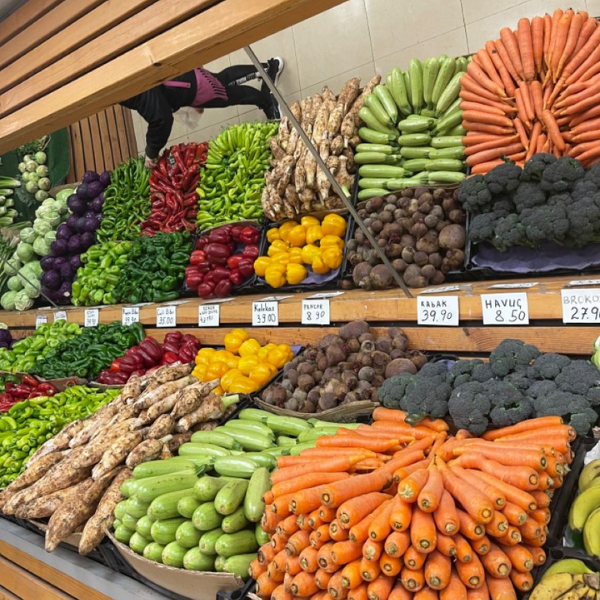
Fruits and veggies should make up a big portion of your grocery list. Buy seasonal produce for better flavor and affordability. Think of a mix:
- Leafy greens for salads and curries
- Root vegetables like potatoes and carrots
- Seasonal fruits for snacks and desserts
👉 Tip: Shop once a week for fresh produce to avoid wastage.
🍳 3. Include Protein Sources
Protein keeps you full and energized. Depending on your diet, this could be:
- Eggs, chicken, or fish
- Paneer and tofu
- Beans, chickpeas, and soy products
These are essential for balanced, healthy meals.
🍪 4. Don’t Forget Snacks and Extras
A smart grocery list includes healthy snack options so you don’t reach for junk food. Some good picks are:
- Nuts and dried fruits
- Yogurt
- Whole-grain biscuits or crackers
🧂 5. Spices and Condiments
No South Asian kitchen feels complete without spices and condiments. These add flavor to everyday cooking:
- Chili, turmeric, and cumin
- Pickles and chutneys
- Soy sauce, ketchup, or mustard
They’re small items but make a big difference in taste.